
John Tipton, Jr.
The seventh of nine sons, John Tipton, Jr. was born on April 21, 1767, to Colonel John and Mary Butler Tipton. Born in Shenandoah County, Virginia, nothing is known of the early years of his life. Being the son of a prominent public figure, education would have been an important part of the life of Tipton, Jr., but unfortunately his level of education is unknown.
It is presumed that Tipton, Jr. moved with his father, mother, and younger brothers as they relocated to Washington County in 1783. On May 28, 1791, he enlisted in a company of East Tennessee militiamen under the command of his older brother Jacob. With a short-lived enlistment, he did not participate with the company during the November 4, 1791, Battle of the Wabash (or commonly known as St. Clair’s Defeat). As the United States expanded westward, a bitter struggle for control of the land ensued between the new country and the diverse Native American tribes. Being the worst defeat suffered by the United States Army to this day, General Arthur St. Clair’s force of roughly 1,000 was surprised and overwhelmed by roughly 1,000 Native Americans in present-day western Ohio. St. Clair’s force suffered a causality rate of over 95 percent, Captain Jacob Tipton being one of the dead.
John Tipton, Jr. returned to Shenandoah County and on October 27, 1791, he married Elizabeth Snapp. The couple resided there until the fall of 1797, and this may be the possible reason for such a brief enlistment in the Tennessee militia and not being present at St. Clair’s Defeat. Elizabeth Snapp was born on November 2, 1771, and died on July 6, 1829. The couple had nine children: two sons and seven daughters.
In the fall of 1797, John, Elizabeth, and two of their children moved from Virginia and settled in Sullivan County, Tennessee. In a newly formed town called Blountville, Tipton, Jr. bought six hundred acres of land for four thousand dollars from his father-in-law, Lawrence Snapp II. On this tract of land, he built a two-story hewn log cabin with a hewn log back wing which included four stone chimneys. The logs have since been enclosed in white clapboard siding, while two of the chimneys have been encased with red bricks. Much like his father’s house, the Blountville home also contained a cellar underneath the structure that was used as the kitchen. The Tipton, Jr. home is considered to be the second oldest building still standing in Blountville.
From the time of his arrival in Blountville till roughly two years before his death, John Tipton, Jr. was one of the top landowners and sellers of the town. Along with his six hundred acres, he went on to buy roughly four hundred and fifteen more acres of land and two lots for a cost of nearly four thousand dollars. Within those thirty years, though, he sold over one thousand and two hundred acres of land and ten lots for a profit of nearly twenty thousand dollars. On March 17, 1825, he also gave Lawrence Snapp, his brother-in-law, two and a half acres of land for free.
The political career of John Tipton, Jr. began in 1803 when he was elected to represent Sullivan County in the 5th Tennessee General Assembly (1803-1805). For the next seven consecutive years, he was elected to serve in the 6th, 7th, 8th, and 9th General Assemblies. Unfortunately, little is known about the political career and mind of Tipton, Jr. At the height of his career as a Tennessee legislator, he was elected to serve as the Speaker of the House during the 7th General Assembly (1807-1809).
After serving in the state senate, John, Jr. set his political ambition towards running for the Federal House of Representatives against John Rhea, who had held this seat from 1803 – 1815 and then retired only to return later in 1817 against John, Jr. It is unclear if this was a rivalry due to the two family’s pasts or if Rhea just wanted to return to his public service lifestyle. John Rhea was a proponent for the State of Franklin and served in its government during its four years of existence while John, Jr.’s father, Colonel John, was the leading opponent against the failed state. John Rhea won the election against John, Jr. by a narrow margin and his first attempt to enter a higher level of politics had failed. He instead returned to the state legislature and was elected to represent Sullivan and Hawkins Counties in the senate of the 12th General Assembly (1817-1819). Not deterred, John, Jr. ran again for the Federal House of Representatives in 1819 against John Rhea and again lost by a small margin.
In 1813, his father Colonel John Tipton died and was buried in a small family cemetery on his property. Consequently, John Tipton, Jr. inherited his father’s cabin and property. The year he moved from Blountville to his father’s cabin is unknown, but by the end of 1820, he had sold nearly all of the land he owned in Sullivan County. The story and a half cabin must have seemed small for the Tipton family since most, if not all, of the nine children accompanied their parents on the move. Sometime in the 1820s, he expanded his father’s cabin to a two story, Federal-style farmhouse.
For several years John, Jr. had been removed from a position in the public service and his hopes to become a representative on the Federal level were dashed. A second stroke of hope came when John Rhea retired once again in 1823 to his plantation in Sullivan County. John, Jr. began campaigning once again for the position he had lost twice before. John Blair, another prominent Tennessean, strove to enter the realm of higher public service after holding the Tennessee State Senate seat for Washington and Carter Counties from 1817-1821. These two men campaigned against each other to fill the vacant position and unfortunately again John, Jr. lost. This did not stop him from trying to claim this position. He tried for two more elections in 1825 and 1827 but unfortunately was unable to unseat Blair.
In 1831, John Tipton, Jr. returned to the state legislature and was elected to represent Washington County for the 19th Tennessee General Assembly. At the time of his arrival in Nashville, his health was in a deplorable state. On October 8, 1831, he succumbed to his illness and died. His body was buried in what is now the Old City Cemetery of Nashville. Representatives, senators, city officials, and crowds of citizens filled the streets and graveside as his body was laid to rest. For thirty days the assembly wore a black crape around their left arm to pay tribute and respect for their deceased colleague. The simple headstone of Tipton, Jr. had eroded and even broken apart by the late 1800s. In 1895, the 49th Tennessee General Assembly passed a resolution for the sum of three hundred dollars or more in purchasing and erecting a new and more prominent headstone.
Nearly a year after his death, the personal belongings of John Tipton, Jr. were sold at auction. Ordinary items such as a corner cupboard, dishes, tables, a butter churn, beds, pigs, sheep, and much more were sold. Many of these items were bought by his children. One of the highest paid items and the most interesting on the list was a windmill sold for eight dollars and twelve and a half cents. The type of windmill sold, or its possible use, is still a mystery. In his will, Tipton, Jr. divided his 200-acre farm between his three children Samuel, Elizabeth, and Edna. Samuel, his second oldest son, inherited the house.
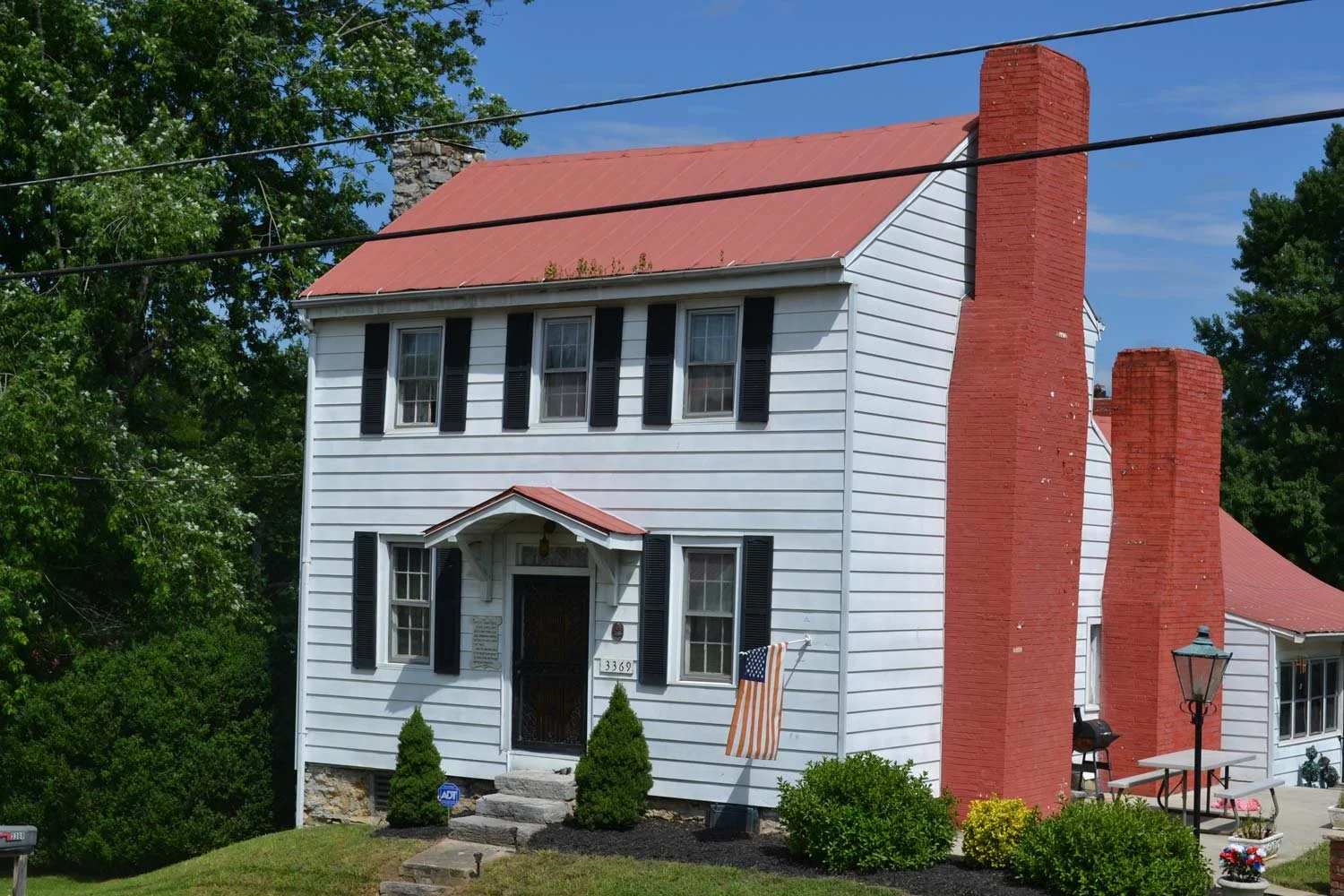
Blountville home of John Tipton, Jr. (present day)
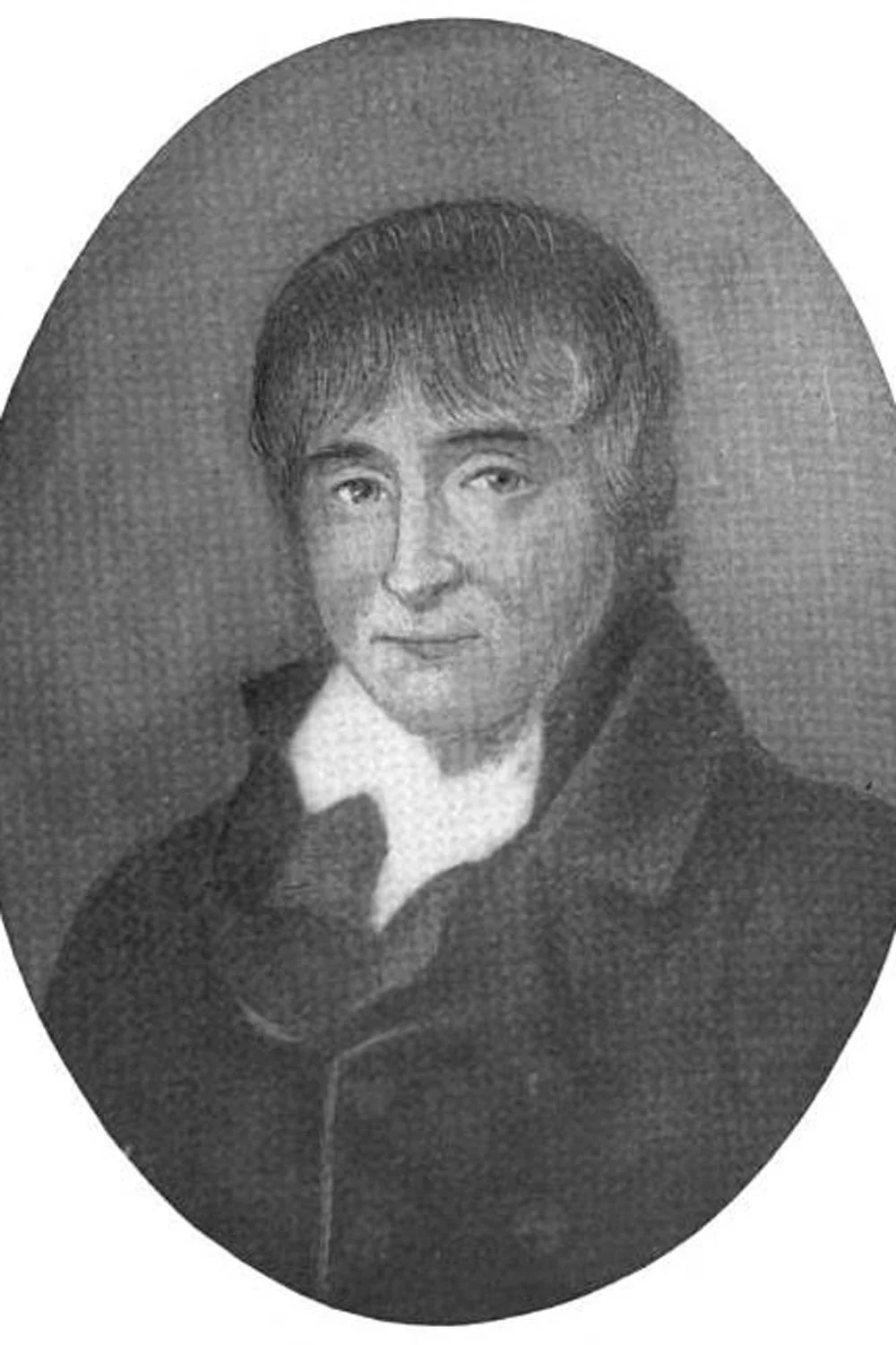
John Rhea
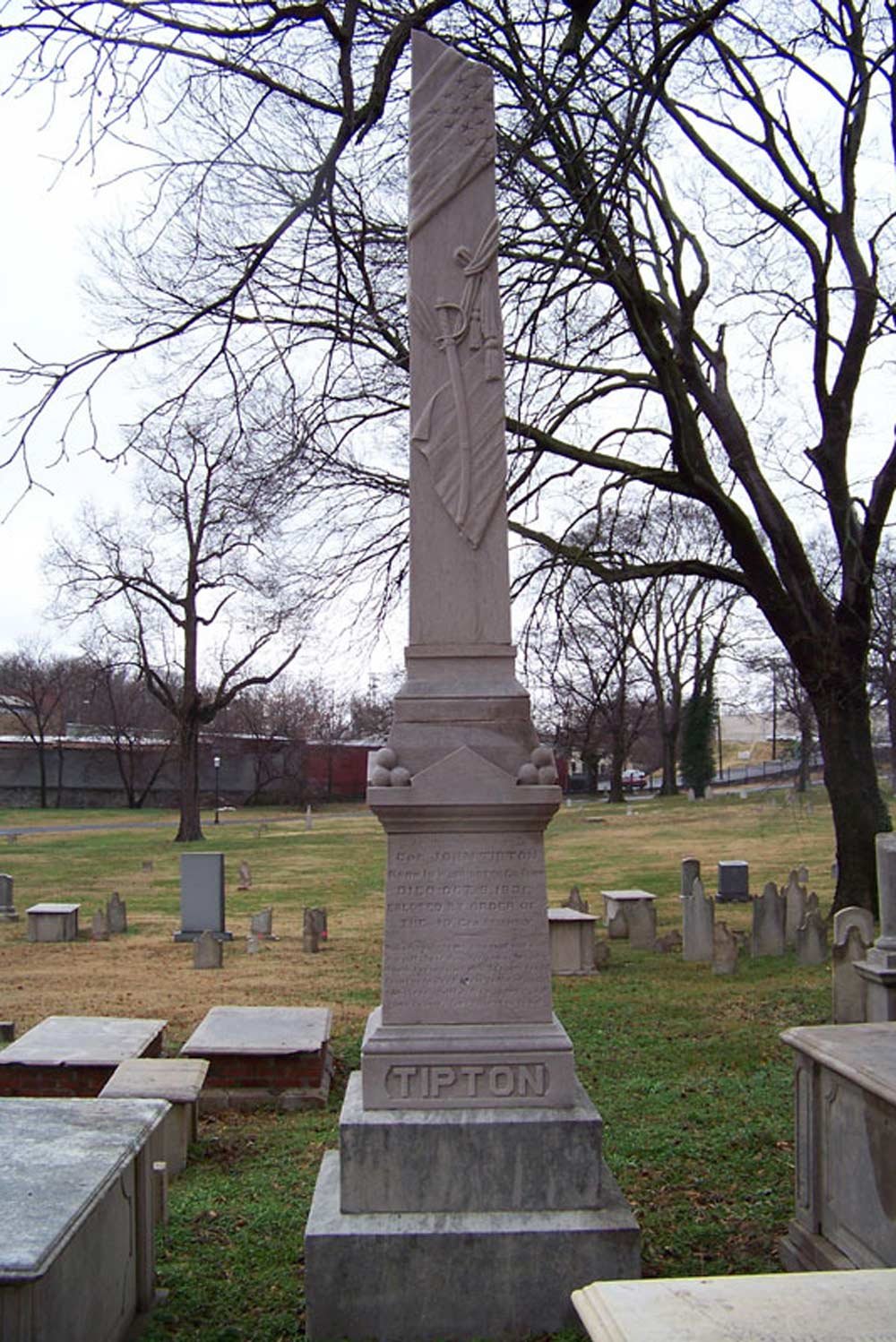
Grave of John Tipton, Jr.
-
Slave bill of sale from northeast Tennessee. Tipton-Haynes Historic Site Civil War Exhibit Collection. Tipton-Haynes State Historic Site, Johnson City, Tennessee.
Tipton, Charles D. Tipton: The First Five American Generations. Baltimore: Gateway Press, Inc., 1998.
Tipton family: Tipton VI (John Tipton Jr. – including some Snapp data; Evelyn Thompson) (1974-1990 and undated). William G. Cooper Collection. Tipton-Haynes State Historic Site, Johnson City, Tennessee.
Tipton, John Jr., Col., 1832 and undated. Tipton Family Collection. Tipton-Haynes State Historic Site, Johnson City, Tennessee.
-
Figure 1. The Blountville home of John Tipton, Jr. as it appears today as a private residence.
Figure 2. Image of John Rhea.
Figure 3. The grave of John Tipton, Jr. and the headstone that was erected by the 49th Tennessee General Assembly.