
Step back in time.
Discover the rich history of Northeast Tennessee.
The Tipton-Haynes State Historic Site tells the rich story of the history of Northeast Tennessee and of the several families that lived here. The site includes 45 acres, eleven historic buildings, the Tipton/Gifford/Simerly cemetery, a limestone cave, a natural spring, a buffalo trace, a nature trail, and the Penny McLaughlin Education and Museum Center that contains a permanent exhibit, seventeen-minute site intro video, gift shop, educational spaces, library, and archives.

Meet the families who have called this historic site home.
Purchasing the site in 1784, Colonel John Tipton (1730-1813) moved from Shenandoah County, Virginia to settle in what was then Washington County, North Carolina. For the next four years, the formation and decline of the State of Franklin became an important issue for the area and the life of Colonel Tipton, who stayed loyal to North Carolina. In February of 1788, the Battle of the State of Franklin turned the peaceful home of Colonel Tipton’s into a battle ground for Franklin independence. Colonel Tipton would later help with the development of Tennessee becoming the 16th state of the Union before retiring from public life.
After his father’s death, John Tipton, Jr. (1767-1831) inherited the property. Before moving to Washington County, Tipton, Jr. was already a successful state legislator and wealthy landowner in Blountville, Tennessee. Tipton, Jr. expanded his father’s cabin in the 1820s, making it a Federal-style farmhouse. While attending the 19th General Assembly, he died in Nashville.
The heirs of John Tipton, Jr. sold the property to David and Rhoda Haynes in 1837. For a wedding gift, David and Rhoda gave the property to Landon Carter Haynes (1816-1875), their oldest son, in 1839. That year, Landon had married Eleanor Powell. In the 1850s, he expanded the former Tipton home into how it appears today. Haynes is best known for being a Confederate senator, but was also a state legislator, politician, farmer, newspaper editor, Methodist minister, and attorney. Losing his home during the Civil War, Haynes moved to and lived the rest of his life in Memphis, Tennessee.
The site would eventually return to the Haynes family when, on May 1, 1882, Sarah L. Gifford Simerly (1847-1935) purchased the property. Sarah was the daughter Lawson and Mary (Haynes) Gifford and niece of Landon Carter Haynes. After a brief battle with cervical cancer, Sarah died in 1935, and the property was inherited by her sons, Samuel (1871-1962) and Lawson Simerly (1873-1962). The brothers never married nor had any children. The Tennessee Historical Commission approached the brothers in early 1944 about purchasing the property. Initially the brothers did not reply to this request, but on November 25, 1944, they agreed to sell 17.77 acres to the State of Tennessee. Samuel and Lawson were given permission to live within in the house until their death, which came within a week of each other in November of 1962.
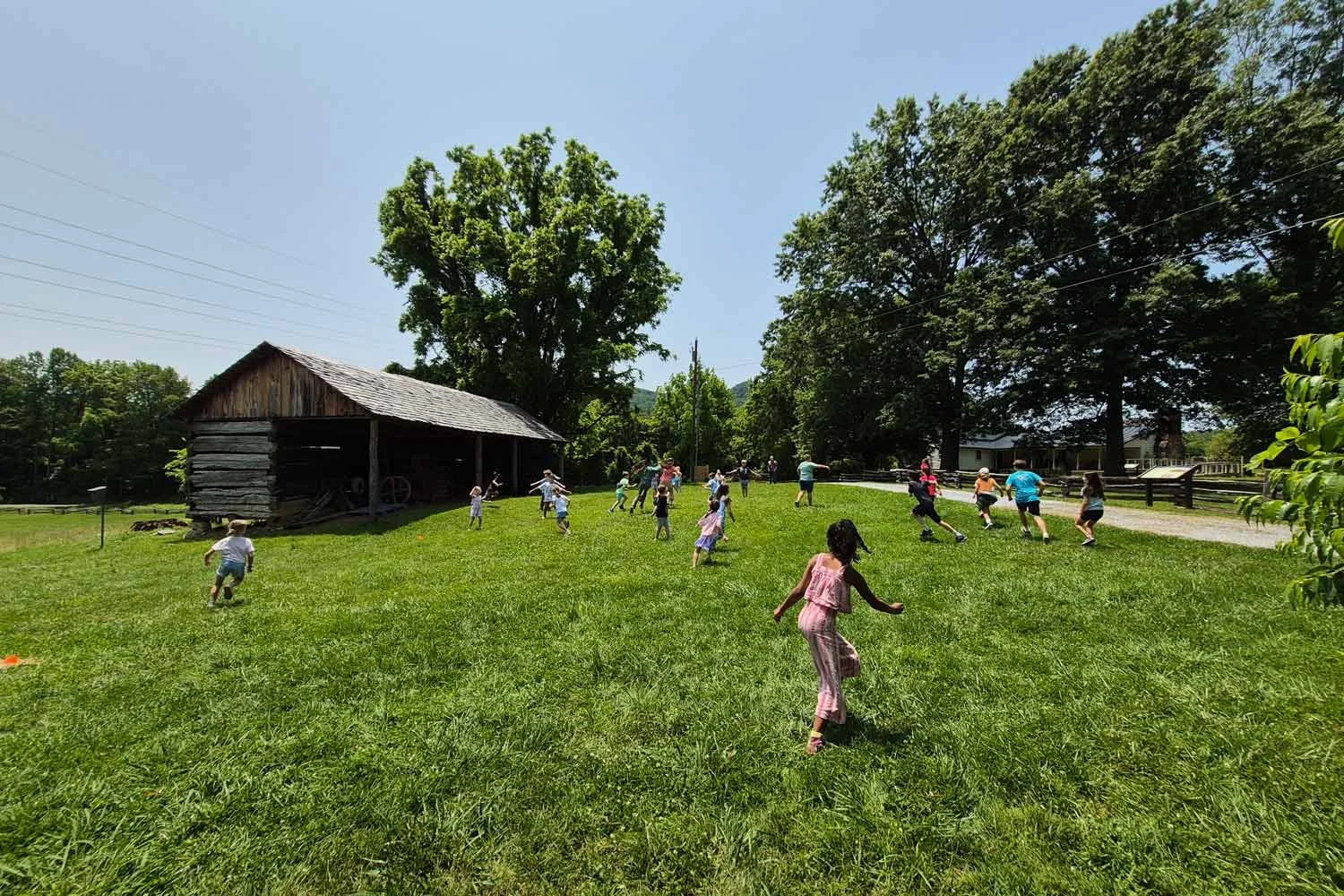
Upcoming Events
Find out what’s happening at the Tipton-Haynes State Historic Site
Join us in our mission to preserve, protect, and perpetuate the historic grounds, buildings, and artifacts of the Tipton-Haynes State Historic Site.

Connect with Tennessee’s History
-
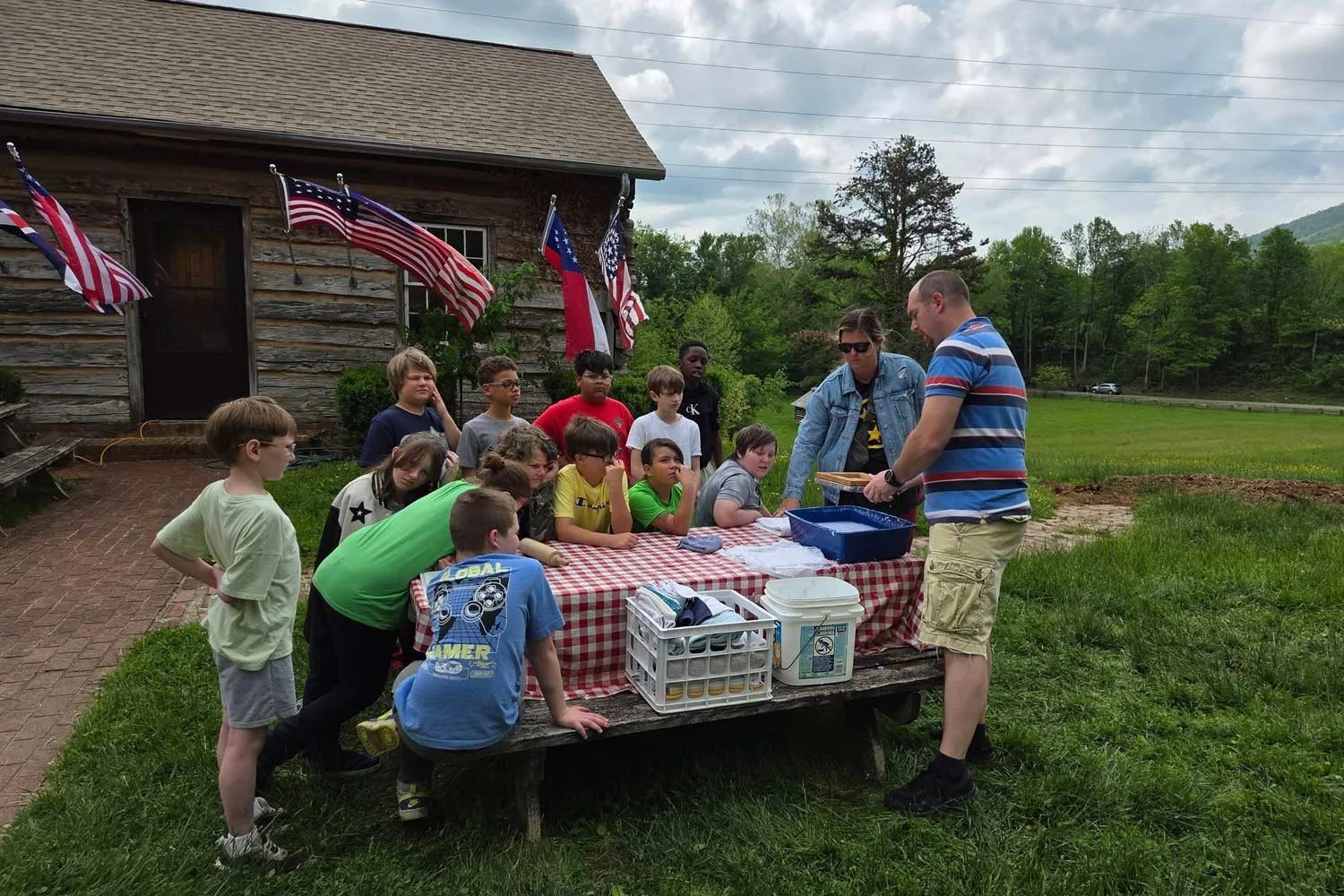
Field Trips
Provide your students with a day of educational fun!
-

Summers Past History Program
Kids can learn local history while they enjoy the summer day!